
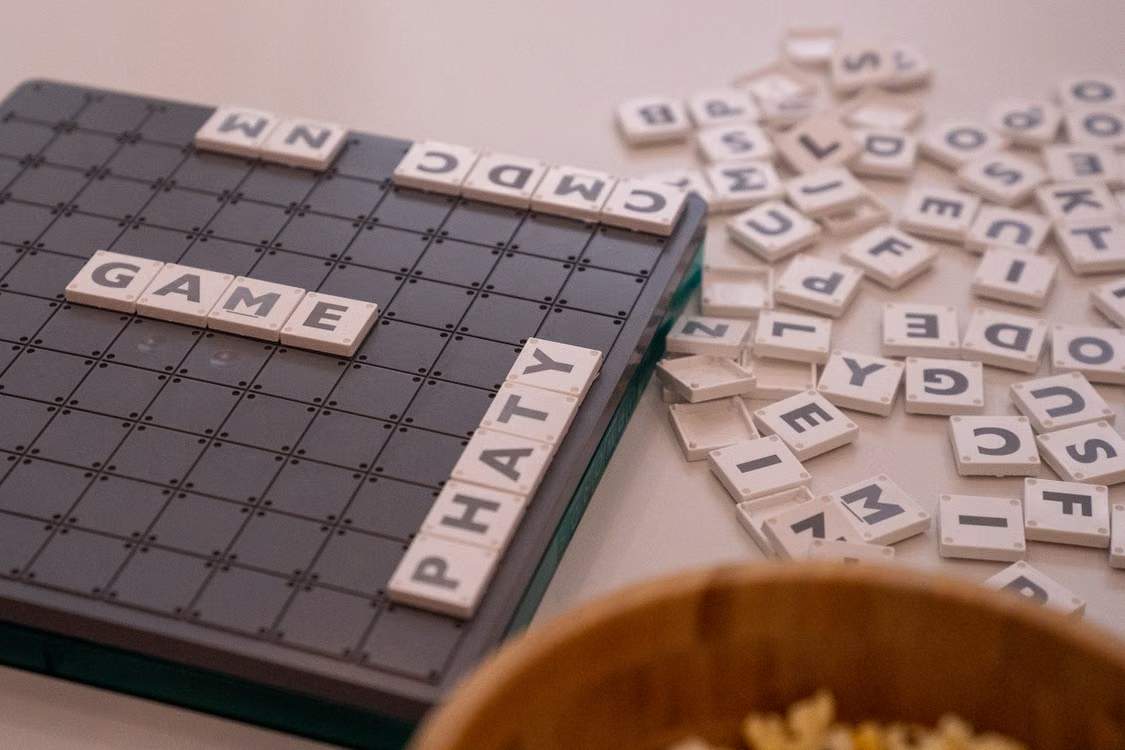
A free word game lives on a simple deal. The player solves a puzzle, checks a definition or practises a tricky spelling, and a few ad slots on the page pay for the servers, the word lists and the people who keep them accurate. That deal only works while the ads stay quiet, fast and honest, because one misbehaving banner can turn a calm study session into a closed tab.
The hard part is that a publisher rarely sees the same ad its visitors see. Ad networks pick creatives in real time by country, device and time of day, so a page that looks clean from an office in Ohio may serve something very different to a learner in Manila or Lagos. To see the page the way those visitors do, review teams route their test browsing through an ad verification and monitoring proxy with addresses in the regions their audience actually comes from, then compare what loads in each place.
Table of Contents
Why One Bad Banner Costs More Than It Earns
Word game players are a loyal audience. Many open the same site every morning for a daily puzzle, a vocabulary drill or a quick round before work, and that habit is the real asset of the business. A single redirect that throws someone onto a fake prize page, or a video that starts shouting at full volume, can break a routine that took months to build. The few cents that creative paid never cover the visitors who quietly move to another site.
What Review Teams Actually Look For
Most problems fall into a small number of patterns, and experienced teams learn to spot them quickly. Some are annoyances that slow the page down. Others are deliberate tricks built to hide from anyone who checks from the wrong place, which is exactly why location matters so much in this work.
The Coalition for Better Ads has spent years ranking the formats people find most disruptive, and its list matches what word game publishers hear from their own users. Pop-ups that cover the puzzle, sticky banners that eat half a phone screen and countdown ads that block the content all push people away faster than any slow server ever could.
Signals That Something Is Wrong
Before a creative ever reaches a real visitor, a careful team watches for a handful of warning signs during routine checks. Here are five that come up again and again, with the fix most publishers reach for first.
| Signal during review | What it usually means | Typical response |
| Page jumps to another site without a click | Forced redirect hidden in the creative | Block the creative and report it to the network |
| Banner looks normal in one country only | Geo cloaking aimed at certain regions | Repeat the check from several locations |
| Page weight grows sharply after the ad loads | Heavy scripts or hidden video | Cap file size and request a lighter version |
| Sound plays with no user action | Autoplay audio against network rules | Remove the placement until the partner fixes it |
| Text promises prizes or urgent warnings | Misleading or scam style message | Block the advertiser and save a screenshot |

Building a Routine That Scales
Small sites often start with manual spot checks, opening their own pages from a few locations every week and noting anything strange. That works for a while, but it misses ads that rotate quickly or appear only at certain hours. Larger publishers move to scheduled crawls that load key pages from many regions on a timetable and store screenshots for later review.
The same discipline applies to the people involved. Someone owns the block list, someone talks to the ad partners, and someone reads the messages users send when a page behaves badly. Those reports remain one of the most valuable signals a site has, because a regular visitor will notice a strange redirect long before any dashboard does.
Keeping the Puzzle at the Centre
A word game site succeeds when the page feels like a quiet desk with a good dictionary on it. Ads can sit around that desk without trouble, provided they load quickly, stay in their slots and tell the truth about what they offer. Checking them from the visitor’s side of the screen, region by region, is how publishers keep that promise and protect the daily habit that keeps their audience coming back.