The digital age has brought us endless ways to absorb information. We have podcasts, immersive video games, and interactive apps that promise to teach us a new language while we sleep. Yet, in the middle of all this high tech noise, one of the oldest methods remains the most effective. Honestly, I think the humble flashcard is still the undisputed champion of vocabulary acquisition. It’s simple. It’s direct. And it works because it aligns perfectly with how our brains actually process and retain new words.
Table of Contents
The Power of Active Recall
Most people study by reading and re reading. They look at a list of words, highlight them, and hope that the information sticks. This is passive learning. It feels productive because your eyes are moving across the page, but it’s actually quite inefficient. Your brain isn’t working to retrieve the information; it’s just recognizing it.
But flashcards change the game. They require active recall. Have you ever noticed how much easier it is to recognize a face than it is to remember a name? You know the feeling. You see a word in a book and think, “I know this,” only to realize ten minutes later you can’t actually use it in a sentence. It’s frustrating. Truly.
When you look at one side of a card, your brain has to work. It has to dig through your memory to find the corresponding meaning or word. This mental effort creates a stronger neural pathway. Every time you struggle to remember a word and then finally get it right, you’re physically strengthening your memory. It’s like a workout. The more you lift that mental weight, the stronger your recall becomes.
Spaced Repetition and Long Term Memory
One of the biggest challenges in learning vocabulary is the forgetting curve. We tend to lose a large percentage of what we learn within twenty four hours if we don’t review it. It’s just how we’re wired. This is where flashcards become a strategic tool. By using a system of spaced repetition, you can time your reviews to happen just as you’re about to forget the information.
Modern technology has made this even easier.
Modern technology has made this even easier. You no longer have to manually sort through piles of paper. There are excellent AI tools for creating flashcards that automate this entire process. These systems track which words you know well and which ones you struggle with. They show you the difficult words more frequently and push the easy ones further into the future. This ensures that you are spending your time where it matters most, moving words from your short term memory into your long term storage.
Breaking Down Complex Information
Vocabulary can often feel overwhelming, especially when you’re dealing with technical jargon or a foreign language with complex nuances. I’ve sat there at midnight, the hum of the laptop filling the room, feeling like my brain was just full. Flashcards force you to simplify. Because a card has limited space, you have to distill a word down to its most essential meaning.
So, this process of atomization is incredibly helpful. Instead of trying to swallow a whole paragraph of context, you’re learning the building blocks. Once those blocks are solid, you can start to see how they fit together in sentences and conversations. It provides a sense of manageable progress. When you master five cards, you feel a small win.
Those small wins add up quickly. And honestly? We all need more of those.
Portability and Consistency
The best study method is the one you actually use. One of the reasons flashcards have endured for decades is their sheer convenience. Whether you carry a physical stack in your pocket or have an app on your phone, you can study anywhere. You can get through ten words while waiting for coffee or twenty words during a commute.
And that’s the point.

This portability turns dead time into productive time. Consistency is the most important factor in learning any new skill. Flashcards allow you to maintain that consistency without needing to carve out a two hour block of deep study time. Maybe a few minutes here and there throughout the day is actually better than one long, exhausting session at the end of the week. Honestly, I’ve found that shorter bursts keep me from burning out. It’s just more sustainable.
The Psychological Edge
There’s a psychological satisfaction in the flashcard method that’s hard to replicate. Why do we love checking items off a to-do list so much? It is that same feeling of completion. There’s a clear beginning and end to a deck. You can see the stack of cards you’ve mastered growing larger while the stack of “to learn” cards gets smaller. This visual representation of progress is a powerful motivator.
Learning vocabulary is a marathon, not a sprint. It can be easy to get discouraged when you feel like you aren’t making headway. But when you flip a card and the answer comes to you instantly, you have proof of your growth. And you know, that instant feedback loop keeps you engaged and reminds you that your efforts are paying off.
Beyond the Basics
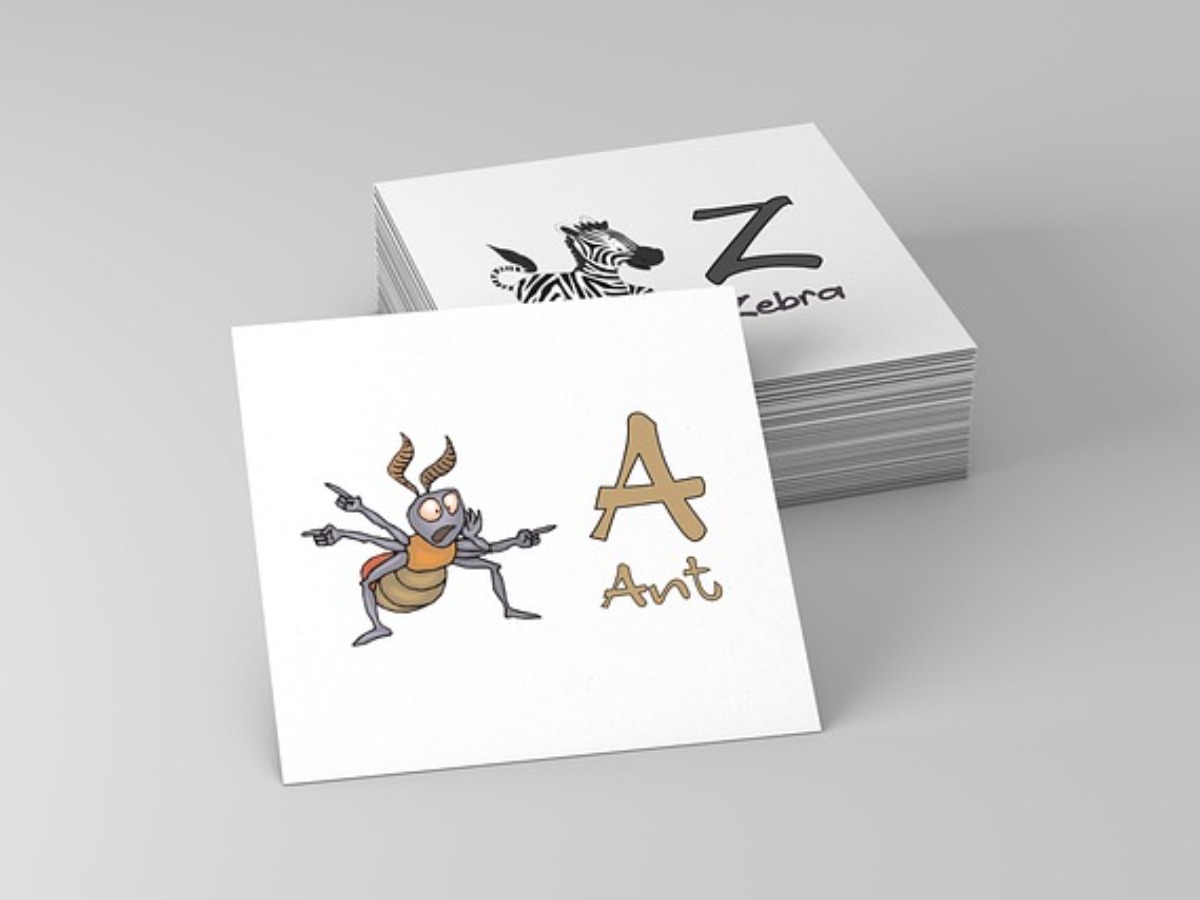
While we often think of flashcards as just a word and a definition, they can be much more. You can include example sentences, images, or even audio cues. This multi sensory approach further embeds the word in your mind. By connecting a word to a specific image or a sound, you’re giving your brain more hooks to grab onto when you need to pull that word out of thin air during a conversation.
In the end, we don’t need to reinvent the wheel. We just need to use the tools that work. Flashcards might seem old school, but their effectiveness is rooted in fundamental cognitive science. They demand focus, encourage consistency, and provide a clear path to mastery. If you’re serious about expanding your vocabulary, it’s time to get back to basics. It just works. You’ll see. Trust the process.