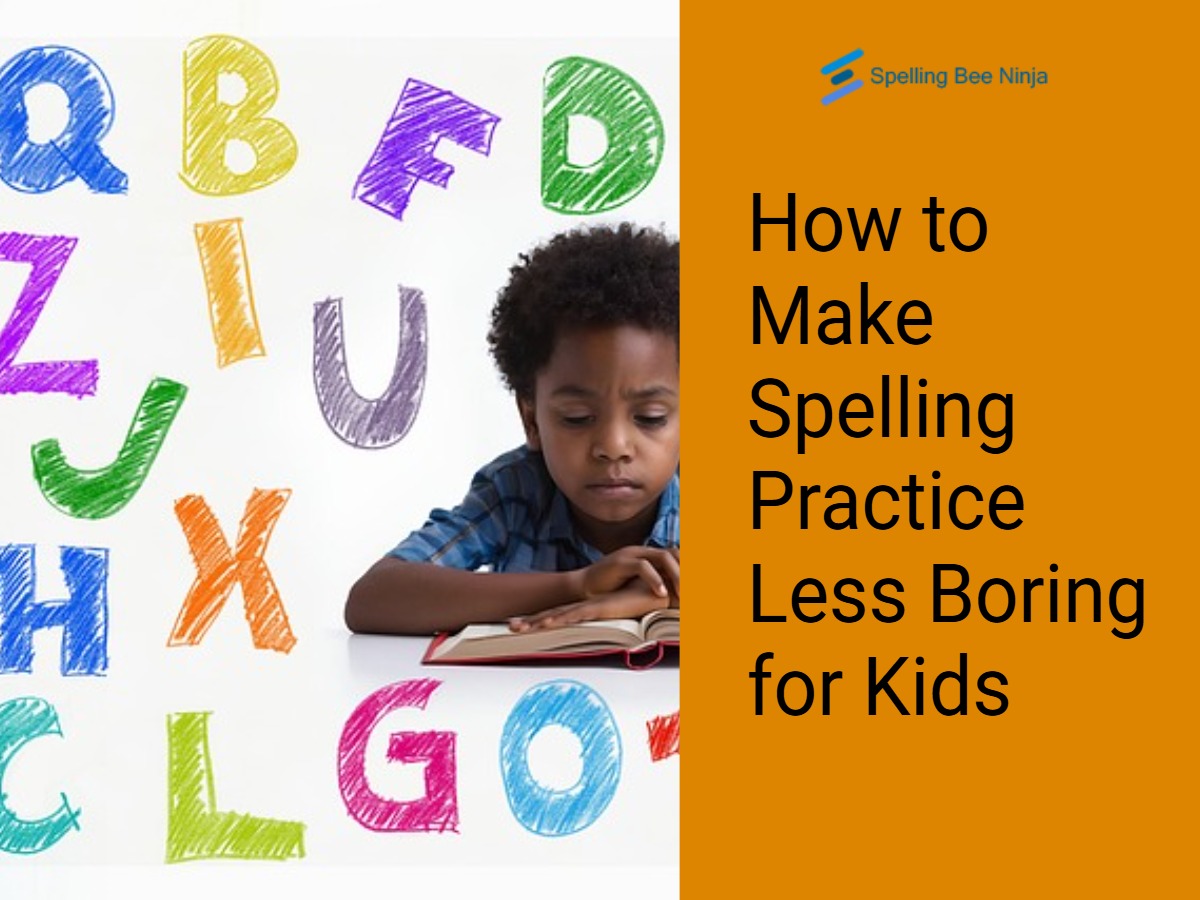
Spelling practice is the process of learning, memorizing, and correctly applying words by detecting letter patterns, sounds, and structures, making it an essential ability for early literacy development.
However, many children find spelling practice tedious because it often relies on rote memorization, lacks engagement, and does not align with their natural learning preferences, leading to low interest and motivation.
When spelling activities feel like a chore rather than a fun experience, children are less likely to remember material or maintain consistency.
That is why engaging learning strategies, such as games, hands-on activities, and individualized challenges, can turn spelling practice into a fun, interactive experience that increases retention, enhances confidence, and fosters a good attitude toward learning.
Table of Contents
Why Kids Get Bored with Traditional Spelling Practice
Here are some reasons why kids get bored with traditional spelling practice.
Repetition Without Engagement
Kids become bored with traditional spelling practice because it repeats the same words. Writing the same words over and over doesn’t spark curiosity or creativity; kids lose interest quickly.
Without games or challenges, repetition feels like a chore rather than a skill.
Lack of Visuals and Interactivity
Traditional approaches may lack visual or interactive elements, making it harder for students with diverse learning styles to participate.
Plain text-based exercises don’t help kids who learn best by seeing, hearing, or touching words.
This mismatch between teaching method and learning preference can make spelling practice frustrating and unfocused.
No Instant Reward or Feedback
Lack of immediate rewards or feedback also bores kids. Children may feel detached from learning if they don’t get immediate praise or reprimand. This mismatch makes spelling practice unrewarding, lowering their motivation to participate and work hard.
Core Principles to Make Spelling Practice Fun
Here are some core principles to make spelling practice fun.
Gamifying Learning
Gamification makes spelling practice fun with points, awards, and friendly competition.
Spelling becomes a game that offers measurable, thrilling growth for kids. Points for accurate answers, levels, and peer competition motivate. This method encourages kids to play and win, making them more likely to join. Gamification boosts engagement, retention, and good learning habits by making learning fun.
Multisensory Learning
Multisensory learning makes spelling more dynamic and effective for young people by engaging them visually, aurally, and kinesthetically.
Kids may view words through bright graphics, hear them spoken, and trace or build letters instead of writing. Variety facilitates diverse learning styles and improves memory by engaging multiple brain regions. Combining sound with movement or images helps kids remember words. Multisensory methods keep kids engaged and improve spelling skills.
Skill-based personalization
Personalizing spelling practise to a child’s skill level keeps learning challenging and doable. If activities are too simple or too hard, kids lose interest or become irritated.
Adaptive learning approaches let kids learn at their own pace by adjusting difficulty levels based on their performance.
Kids gain confidence as they improve, without feeling overwhelmed by this individualized approach.
Targeting specific issue areas with personalization makes practice more efficient and relevant. Spelling practice becomes more interesting, motivating, and successful when problems match ability.
Interactive Spelling Games
Spelling games make learning fun by combining education and pleasure. Spelling bingo is social and competitive, while word puzzles help students discover right spellings and solve problems.
Scrabble-style games help kids learn spelling patterns and word structures by encouraging imaginative word formation. Interactive methods eliminate monotony and introduce change, which helps keep attention. Making spelling interesting makes youngsters more likely to participate, practice longer, and remember what they learn.

Creative Writing Practice
Creative writing exercises let kids use spelling in creative ways. Kids can create their own stories with spelling words, making learning more personal and enjoyable.
Sentence challenges promote understanding and memory by encouraging the use of words in context. Children learn how spelling affects communication and expression rather than memorizing words. Spelling accuracy, writing skills, and originality improve with this method. Creative exercises let students explore language, making spelling practice fun and engaging.
Practical Activities
Interactive spelling practice involves movement and sensory involvement with hands-on exercises. Writing words in sand or shaving cream helps kids remember spelling through touch and motion. Kids can practice letter order and structure by building words with letter tiles or magnetic boards. These activities are great for kinesthetic learners who learn by doing. By making spelling tangible, hands-on methods reduce boredom, focus, and memory loss, making learning entertaining and effective.
Digital Apps and Tools
Kids can learn to spell using innovative and engaging applications and tools. Many tools, such as Spelling Bee Ninja, help students to practice spelling. Interactive activities, progress tracking, and rapid feedback in educational apps inspire and show youngsters their progress. Kids can test their knowledge with entertaining, competitive online spelling quizzes. These tools can be customized to a child’s skill level and learning speed. Using technology to make spelling practice more fun and engaging corresponds with youngsters’ digital habits.
Common Mistakes to Avoid
Here are some common mistakes to avoid when making spelling practice fun and effective for kids:
Overusing Words on Kids
Overloading kids with words is a common spelling blunder. Long lists to memorize can frustrate, confuse, and diminish recall in kids. They may hurry through the list without properly learning spelling patterns or word structures. This overburden reduces motivation because the work is excessively hard and time-consuming. Better to introduce a realistic number of words in tiny batches so kids can focus, practice deeply, and gain confidence while making regular progress.
Ignoring Learning Styles
Ignoring each child’s learning style might make spelling practice useless and uninteresting. Some kids prefer visual aids, others prefer auditory repetition, and others prefer hands-on activities. Teaching approaches that don’t match a child’s learning style make it tougher for them to focus and learn. Disinterest and delayed progress often result from this mismatch. Parents and educators may personalize spelling by detecting and adapting to diverse learning styles, thereby improving engagement and outcomes.
Feeling Punished by Practice
Making spelling exercises a chore might make kids dislike learning. Children who feel pressured, chastised, or punished for mistakes are more likely to avoid spelling and detest it. This unfavorable emotional connection hinders learning and motivation. Instead, spelling practice should be friendly and encouraging, with mistakes as part of the learning process. A good environment with encouragement and prizes keeps kids motivated, engaged, and determined to progress.
Conclusion
Making spelling practice fun for kids means making ordinary learning interesting. Understanding why repetition, lack of contact, and low motivation fail can help parents and educators use gamification, multimodal learning, and individualized challenges. Fun, creative, and digital activities keep students engaged and boost confidence. Avoiding typical faults, such as overusing words or creating pressure, promotes a positive learning environment. Enjoyable, interactive spelling motivates kids to practice regularly and build reading skills.